-

Banded Iron Formations: Reading Pre-Cambrian Oceanic Chemistry in Sedimentary Beds
Ferrous iron transport, anoxygenic photoferrotrophy, and microbial oxidation mechanisms preserving Archean and Paleoproterozoic ocean stratigraphy.
• •3–4 minutes -

Milankovitch Cycles in the Rock Record: Decoding Orbital Forcing from Sedimentary Rhythms
Eccentricity, obliquity, and precession frequencies preserved in rhythmically bedded stratigraphy, tuning geologic time scales via astronomical solutions.
• •3–5 minutes -

The Permian-Triassic Boundary: Siberian Traps Volcanism and Deep Ocean Anoxia
Sill intrusion into Tunguska carbon basins, runaway hyperthermal warming, and photic zone euxinia driving the end-Permian mass extinction.
• •3–4 minutes -

The Great Oxidation Event: How Microbial Geochemistry Redesigned Crustal Mineralogy
Mass-independent sulfur isotope fractionation (S-MIF), cyanobacterial oxygenic photosynthesis, and the mineral diversification explosion of the Paleoproterozoic.
• •3–5 minutes -

The Cryogenian Snowball Earth: Deglaciation Mechanisms and Carbonate Cap Dynamics
Ice-albedo runaway feedback, volcanic CO2 super-greenhouse accumulation, and catastrophic precipitation of cap dolostones during Neoproterozoic deglaciation.
• •3–5 minutes -

Rifting Dynamics: Mechanical Stretching and Volcanism in the East African Rift System
McKenzie pure-shear stretching, magmatic strain localization, and mantle plume interaction governing the active continental rifting of East Africa.
• •3–4 minutes -

Orogenic Collapse: Why Mountains Stop Growing and How Gravitational Spreading Works
Gravitational potential energy thresholds, thermal weakening of overthickened crust, and metamorphic core complex exhumation during late-stage orogenic collapse.
• •3–4 minutes -
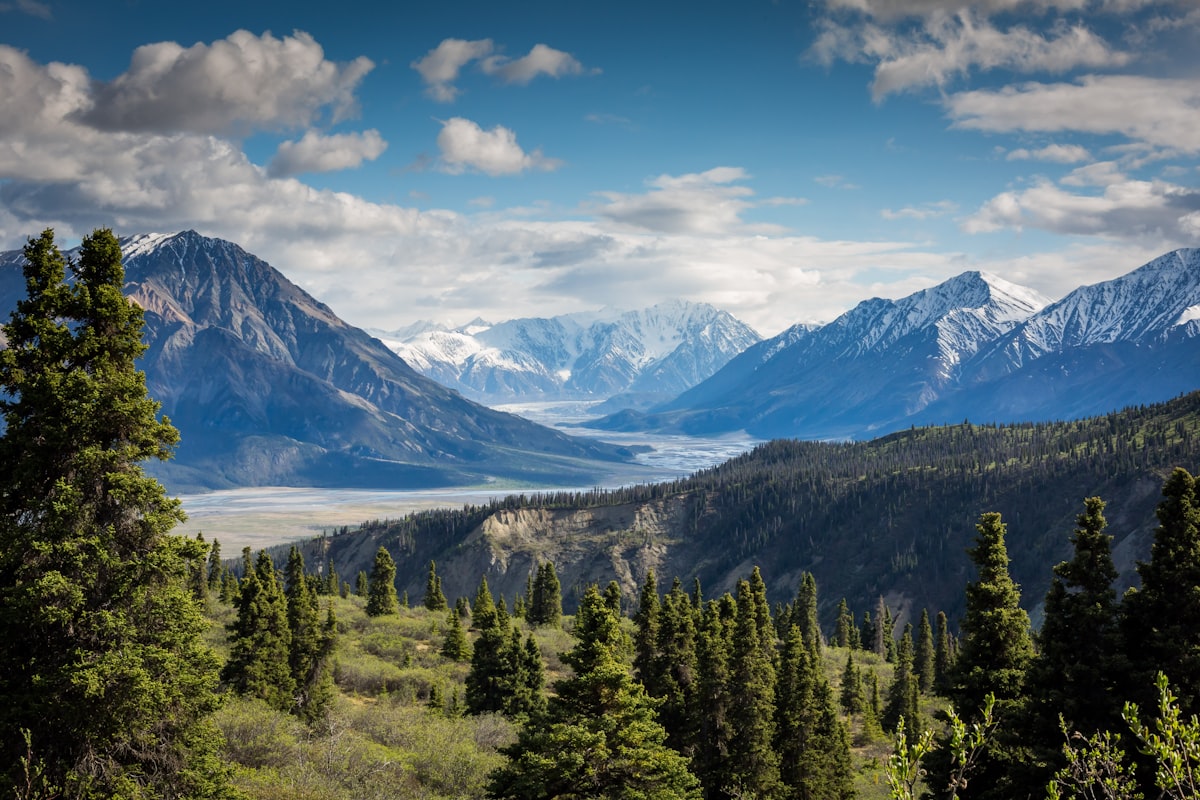
Cratonic Keels: The Billion-Year Mechanics Keeping Continental Cores Buoyant
Isopycnic stability hypothesis, chemical depletion rheology, and dehydration stiffening that preserve Archean cratonic roots against mantle convective erosion.
• •3–4 minutes -

Subduction Zone Seismicity: The Physics of Megathrust Earthquakes along the Pacific Rim
Rate-and-state friction mechanics, pore-fluid overpressure in the seismogenic zone, and viscoelastic rupture propagation during giant Mw 9+ megathrust events.
• •3–5 minutes -

Mantle Convection Plumes: How Deep Thermal Instabilities Drive Supercontinental Breakup
Thermodynamic modeling of D'' boundary layer instability, mantle plume ascent dynamics, and the thermal blanketing effect driving supercontinental rupture and…
• •4–5 minutes
Trending Earth Scales
- Isostatic Rebound: Viscoelastic Mantle Relaxation Following the Last Glacial Maximum

- High-Pressure Polymorphs: What Ringwoodite and Bridgmanite Reveal About the Transition Zone

- Serpentinization at Mid-Ocean Ridges: Abiotic Hydrogen Generation and Deep Sea Vents

- Metamorphic Dehydration: How Bound Water Escapes Crustal Slabs to Trigger Volcanism